Wooden Barrels and Barriques: Why They Are Essential for Aging Wine and Spirits
Wooden barrels and barriques are among the most important tools in the production of wine, whiskey, cognac, grappa, rum, and numerous other spirits. Beyond simply being containers, they play a vital role in the maturation process, influencing the aromas, structure, color, and complexity of the final product.
Choosing the right barrel depends on several factors: wood type, capacity, toasting level, and aging time. Understanding the differences between barrels and barriques allows you to achieve superior quality results.
What is the difference between a barrel and a barrique?
The main difference is their capacity and construction type.
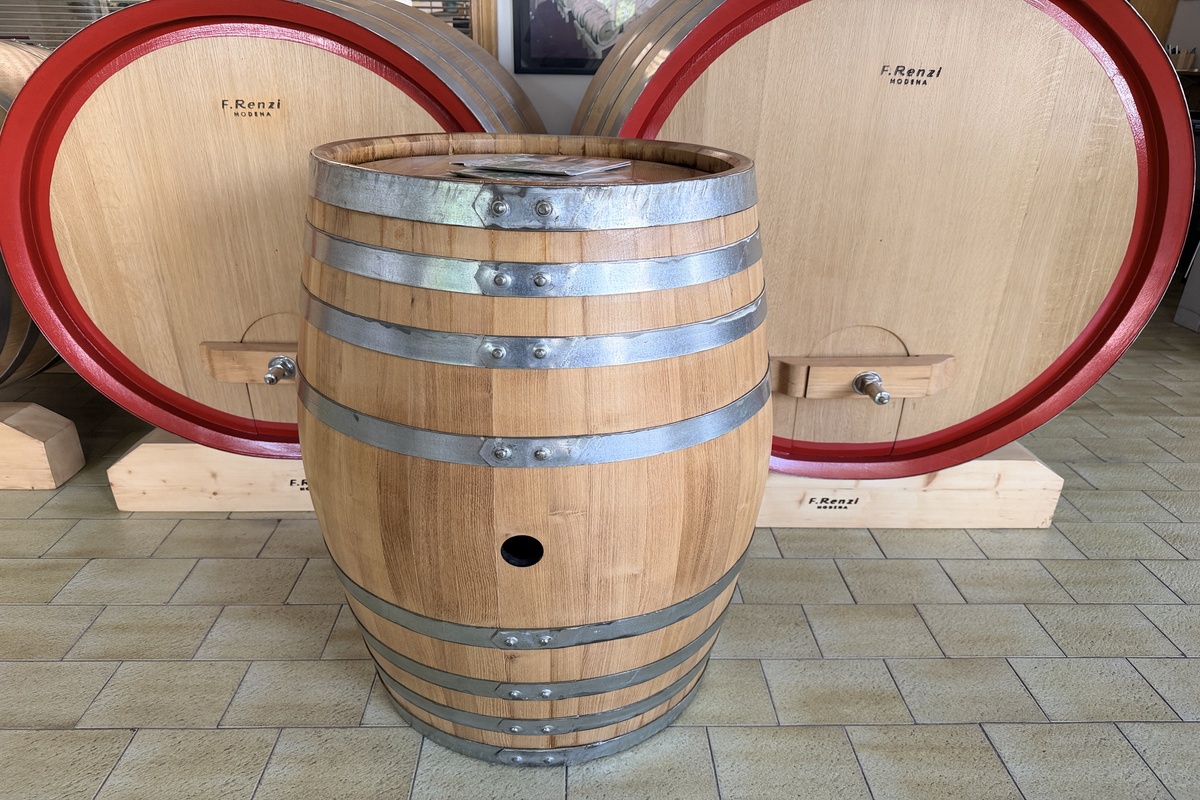
A barrique is a small barrel with a standard capacity of approximately 225 liters, originating in the Bordeaux region of France. Thanks to the greater ratio between wood surface area and liquid volume, it promotes a more intense exchange between wine and oxygen, accelerating aromatic evolution.
Traditional barrels, on the other hand, can have different capacities—500, 700, 1000 liters, up to several thousand liters—for a slower and more delicate maturation, ideal for preserving the varietal characteristics of the product.
The advantages of wooden barrels
The use of wood offers numerous benefits during maturation:
• It promotes natural micro-oxygenation;
• It improves the stability of the wine;
• It enriches the aromatic profile;
• It imparts greater flavor complexity;
• It contributes to the balance between tannins and structure;
• It increases aging potential.
Each wood species releases different characteristics, making the choice of material crucial.
The main types of wood used: French oak
Considered among the most prized, it offers elegant aromas of:
• vanilla;
• sweet spices;
• cocoa;
• Gentle toasting.
It is widely used for high-end wines.
American Oak
It is distinguished by more intense and immediately perceptible aromas:
• coconut;
• vanilla;
• caramel;
• sweet notes.
It is highly prized for whiskies and structured wines.
Eastern European Oak
It represents an excellent compromise between quality and cost, with balanced aromatic characteristics and moderate tannins.
Barrels and barriques in cherry, acacia, chestnut, and ash wood, for flavoring and customizing, creating sensory structures and new experiences.
Wooden Barrel Capacity
Size directly influences the aging process.
The most common capacities are:
• 100 liters
• 150 liters
• 225 liters (Barrique)
• 300 liters
• 350 liters
• 500 liters
• 700 liters
• 1,000 liters
• 2,000 liters
• Large barrels over 5,000 liters
The smaller the barrel, the greater the interaction between the wood and the product.
The Role of Toasting
During production, the inside of the barrique undergoes a toasting process.
There are generally three levels:
Light Toast: Enhances freshness and floral notes.
Medium Toast: Enhances aromas of vanilla, toast, and spices.
Heavy Toast: Enhances aromas of coffee, cocoa, chocolate, and smoke.
The choice depends on the desired aromatic result.
How to choose the ideal barrel
To identify the best solution, it is important to consider:
• type of wine or spirit;
• length of aging;
• desired aromatic intensity;
• type of wood;
• toasting level;
• untoasted barrel
• barrel size;
• frequency of use.
A specialized consultation allows you to identify the product best suited to the needs of your winery or distillery.
Maintenance of wooden barrels
Proper maintenance prolongs the life of the barrel and preserves the quality of the product.
The main operations include:
• thorough cleaning after each use;
• periodic sanitization;
• proper storage when the barrel is empty;
• humidity control;
• periodic leak testing.
With proper maintenance, a barrel can maintain high performance for years.
Frequently Asked Questions (FAQ) How long does a wooden barrel last?
A well-maintained barrel can last several decades. However, the aromatic intensity of wood tends to diminish after a few cycles of use.
What is the difference between French and American oak?
French oak offers finer and more elegant aromas, while American oak imparts sweeter, more intense, and vanilla-like notes.
Do barrels always improve wine?
Not necessarily. The choice of capacity, toasting, and type of wood must be consistent with the characteristics of the wine or spirit.
Why are barriques so popular?
Thanks to their compact size, they allow for faster aging and greater aromatic concentration.
Conclusions Wooden barrels and barriques are indispensable tools for producing high-quality products. The choice of wood, capacity, and toasting or non-toasting directly impacts the final result, making every stage of aging a strategic element in the production of wine and spirits.
Contact Renzi Artigiano Bottaio for a personalized consultation: we’ll help you choose the solution best suited to your production needs, from wood type selection to capacity and toasting level. Request a no-obligation quote today.