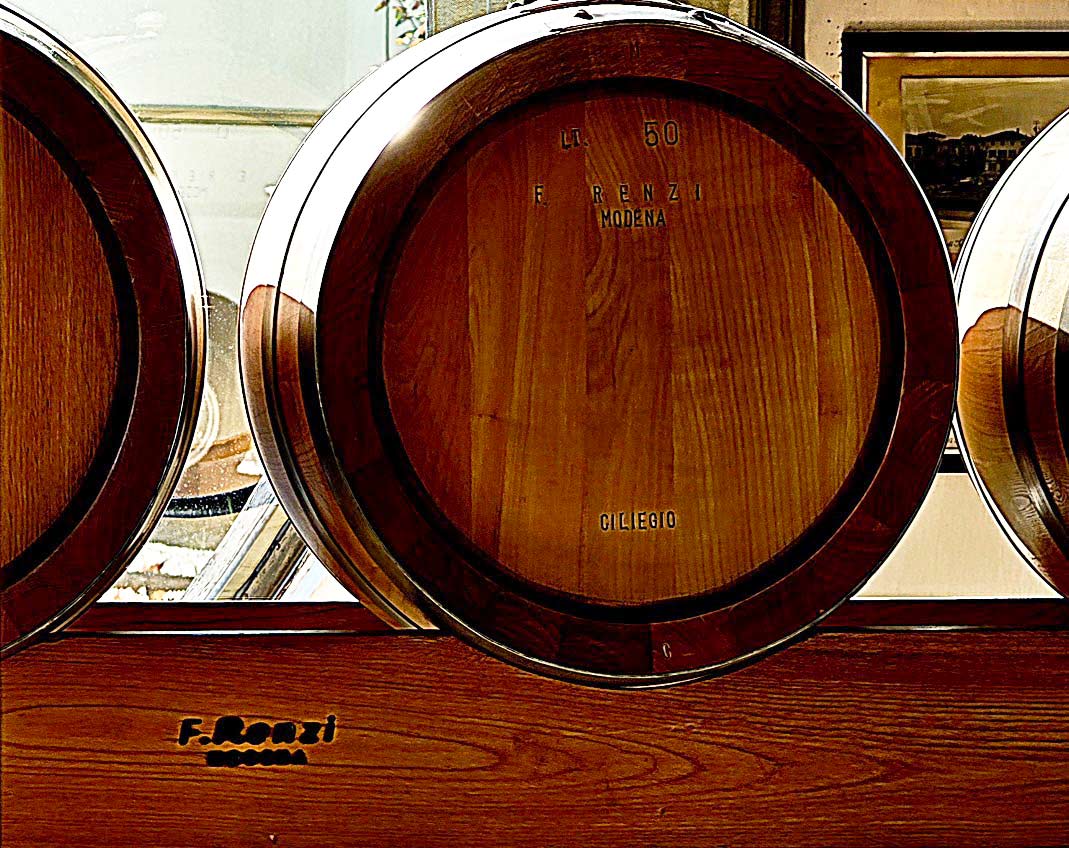
A guide to Maintenance of wooden barrels
Initial Cleaning and Regeneration
• New barrels: Before the first use, you can fill the barrel with plain water to swell the staves. (For 12-24 hours)
• To start the barrel for the first time, you can fill it for 12-24 hours with a solution of hot water and a small amount of table salt. Then, empty it and thoroughly wash it to remove any undissolved salt residue. It is recommended to then drain the barrel with the cap open, as it needs to dry inside.
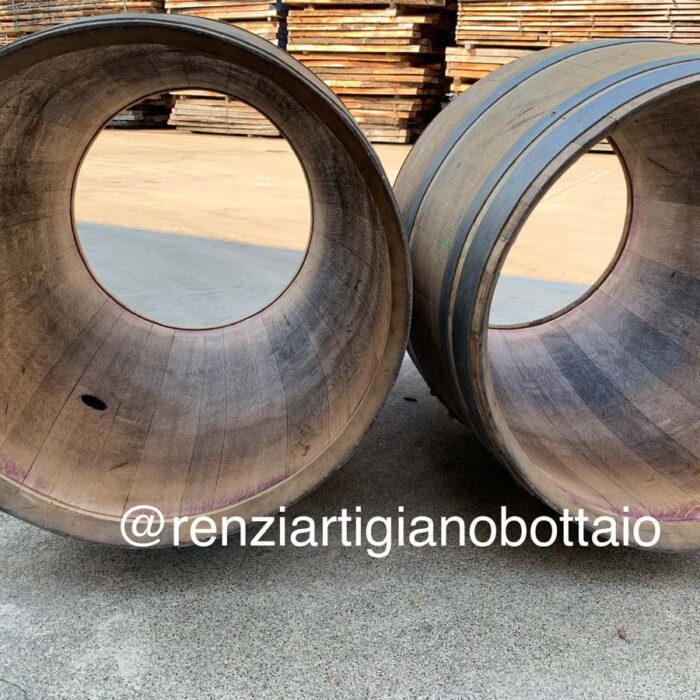
• Tartar Removal (Wine Barrels): To eliminate tartar buildup, Professional Regeneration when the wood is “exhausted” involves the cooper removing a portion of the internal thickness to bring out the fresh wood, restore oxygenation, and reactivate the wood’s aromas. In some cases, re-toasting the staves is also considered.
Empty Barrel Maintenance (After Wine Ageing)
• Drying: After emptying and washing (the barrel must dry completely upside down to avoid water stagnation)
• Sulfurization: To preserve an empty wine barrel, it may be very useful to burn sulfur discs or wicks inside. The sulfur consumes the oxygen, creating an antiseptic environment.
Closing with a cork Barrel (new or used).
• Corking: Never cork a wet barrel to avoid problems.
External Barrel Care
• Cleaning and Protection: Clean the exterior with a damp cloth and then wipe with a clean, dry cloth if the barrel has previously been treated externally with a clear, water-based varnish.
• In some cases, not only to beautify and restore the barrel’s exterior, but also for technical reasons, it may be necessary to re-sand the staves and bottoms. A specialized cooper will perform this process, called external regeneration or external barrel restoration.
• Barrel Repairs: After careful evaluation by the cooper, when possible on the workbench for small barrels, or directly at vinegar cellars and Distilleries, the extent of the leak will be assessed and a decision will be made as to whether and how to proceed.
• Hooping: If the barrel will remain empty for a long time, the hoops will likely loosen due to temperature fluctuations affecting the wood. The cooper will either re-clinch the hoops or re-round their circumference to reposition them correctly on the barrel. In other cases, when the hoops have deteriorated due to time, humidity, or the acetic acid from balsamic vinegar or vinegar in general, the cooper will re-hoop them by measuring each one, evaluating the thickness, width, and type of metal to use—whether iron, galvanized iron, or stainless steel, which is resistant to corrosion over time.
If you would like more information and a consultation or quote, please contact us via the form, email, or other available channels. @renziartigianobottaio