Skip links

How to choose the best wood for barrels

Altri articoli

How to choose the best wood for barrels

What is the best wood?
The various types of wood for your barrels depend on what you’re aging (wine, spirits, balsamic vinegar, or vinegars in general) and the characteristics you want to impart to the product. For accurate information, there’s no such thing as a “best” wood; you need to evaluate the one best suited to your goal.

A brief overview of the most commonly used woods for barrel construction:
Slavonian oak, French oak, American oak, chestnut, ash, black locust (acacia), cherry, and mulberry.
In smaller contexts, apple, pear, juniper, and some other categories of wild fruit trees could also be used.

Expert advice on choosing the right wood for your barrel.
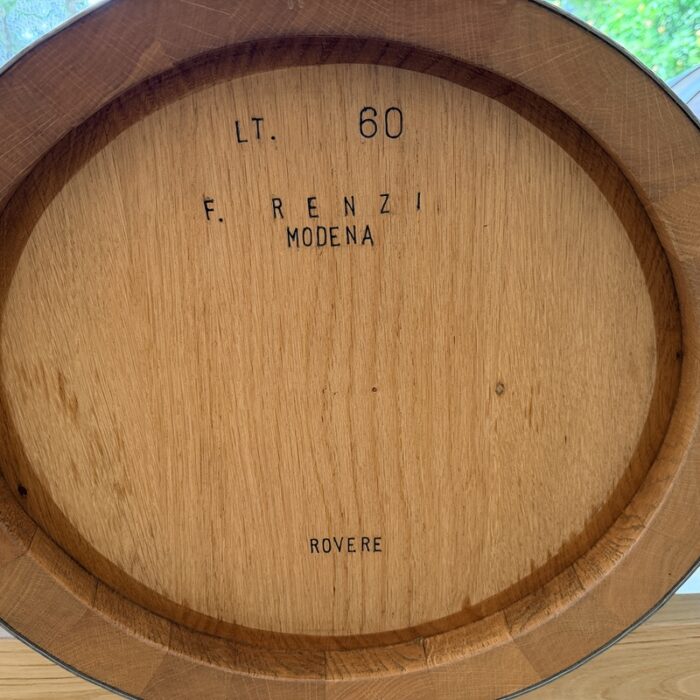
With the centuries-old experience of master cooper renziartigianobottaio, we offer careful and personalized advice, tailored to each client’s needs, when choosing barrels and their wood types, based on the type of aging process—balsamic vinegar, wine, and spirits. Our experts are available to help you make the best choice.

A brief overview of the woods and their characteristics:

  • Oak: a classic, hard-fiber wood that adapts well to almost any refinement.
  • Robinia (Acacia): a very hard wood with robust releases and color.
  • Chestnut: a medium-hard wood, decidedly tannic.
  • Ash: a white, delicate wood, also suitable for refinement of white spirits, a porous wood.
  • Cherry: a soft, porous wood, sweet and fruity, offering aromatic releases that are easy to interpret on both the palate and nose.
  • Mulberry: a soft, porous wood, delicately sweet and fruity, thanks to its nature, it facilitates greater oxygen exchange, aiding fermentation.
  • Juniper: a decidedly rare wood, with a very hard fiber and naturally highly aromatic,To evaluate the good quality of juniper fiber and aromas for building barrels, a long experience is required, as renziartigianobottaio claims.
  • Apple and Pear: very tender and porous woods, sweet, fruity, and aromatic.

Barrel Wood Seasoning
To ensure quality barrels, natural wood seasoning is essential. The planks must be placed in an open space to dry and mature for years, in natural conditions where the seasons of winter, spring, summer, and autumn can alternate continuously, achieving greater overall stability of the staves.
Selected Woods
The finest woods must be harvested from sustainable forests suitable for producing quality wood.

Contact us directly: we’ll be happy to assist you with your purchase with personalized advice on the wood for your new barrels.