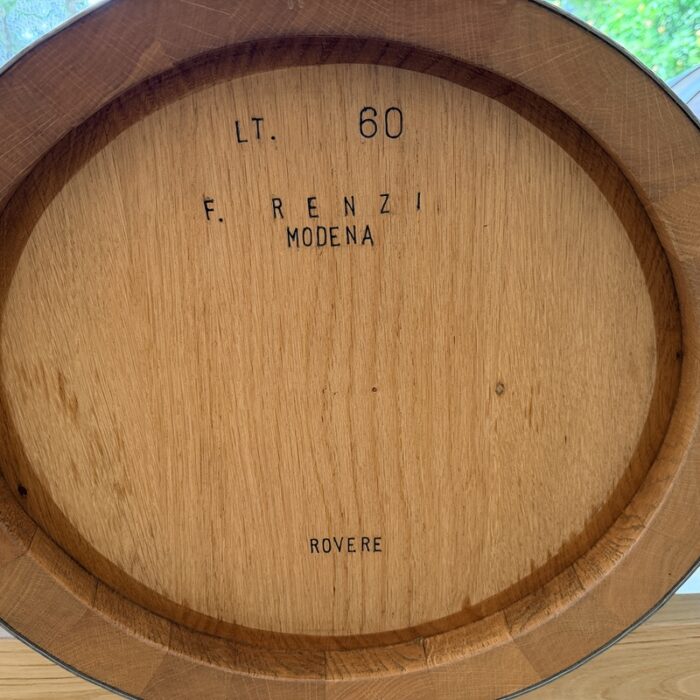
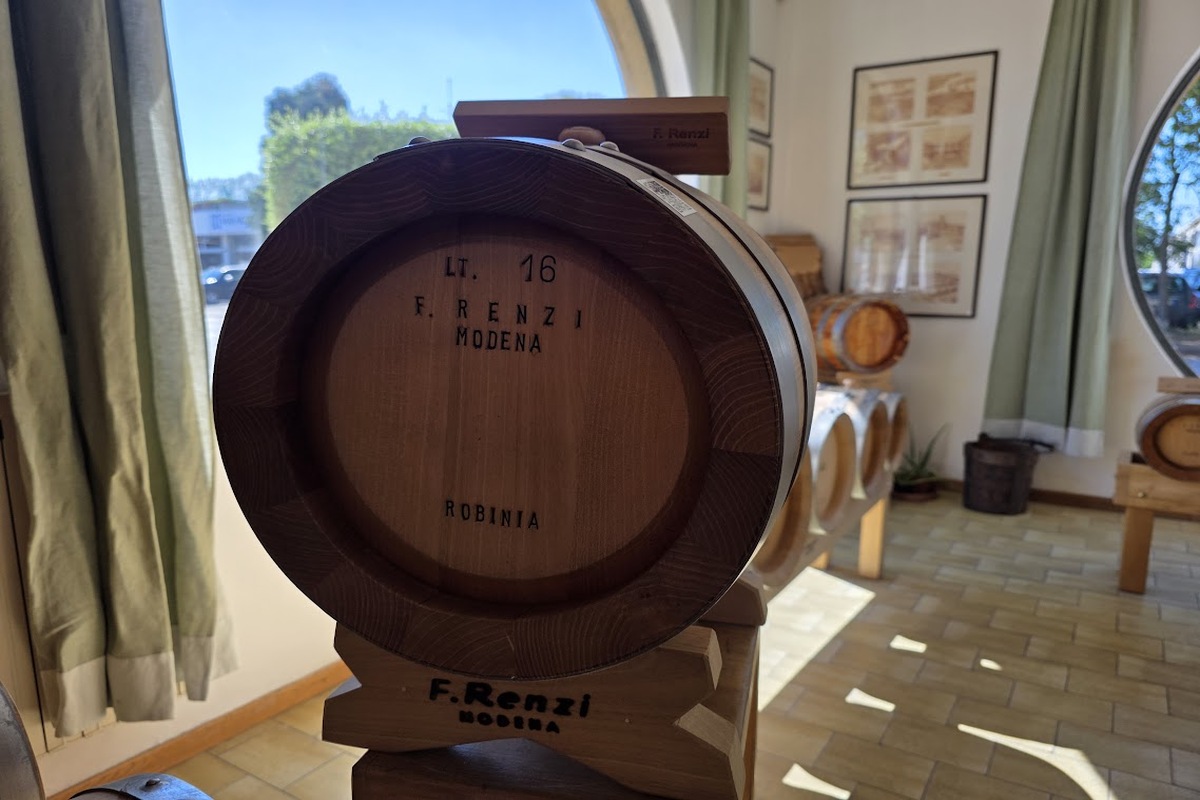
The world of spirits is rediscovering alternative woods to traditional oak, and grappa aged in acacia wood is gaining an ever-increasing market share. Why choose this wood? In this guide, we’ll explore its characteristics, sensory benefits, and technical tips for choosing the best acacia barrels for grappa.
Why Acacia? The Properties of Acacia Wood
Acacia is a hard wood that is particularly resistant to humidity. Unlike oak, which imparts notes of vanilla and structured tannins, Acacia wood is known for its color and its ability to preserve and refine the grappa’s essence.
Technical advantages for grappa:
• Color: Acacia imparts color, allowing grappa to maintain a straw-yellow or golden hue, synonymous with elegance.
• Tannins: Tannins are released, unlike oak, preventing that “woody” finish that overwhelms the primary aromas.
• Resistance: Acacia is naturally rich in flavonoids, making it resistant to pests and decay, ensuring a long barrel life.
Sensory Profile: What changes in the glass?
Aging a grappa in acacia wood doesn’t just age it, it enhances its aromatic bouquet. If you have a grappa made from aromatic grape varieties (such as Moscato, Gewürztraminer, or Malvasia), acacia is the ideal choice.
• Floral Notes: It enhances the aromas of white flowers, acacia honey, and hawthorn.
• Smoothness: On the palate, the grappa is silkier and less “burning,” with constant micro-oxygenation that smooths out the rough edges of the alcohol.
• Respect for the Fruit: Does not overwhelm the varietal notes of the original pomace.
Buying Guide: How to Identify the Right Barrel
To achieve quality aging, not all barrels are the same. Here are the parameters to consider when purchasing:
1. Wood Seasoning
Make sure the acacia wood has been seasoned outdoors for at least 36/48 months (it will also depend on the thickness of the planks). This natural process eliminates the bitterest and “green” tannins, making the wood ready to house the distillate.
2. Barrels with untoasted staves: for more delicate and balanced releases over time.
3. Toast Level (if the barrel has this characteristic)
For acacia grappa, a light or medium toast is usually recommended.
• Light: Preserves freshness and honeyed aromas.
• Medium: Provides light notes of dried fruit and gingerbread without distorting the distillate.
4. Barrel Size (Caratello vs. Barrique)
• Small volumes (10-100 liters): Ideal for rapid aging (higher wood-to-liquid surface ratio).
• Barrique (225 liters): Standard for medium-long aging, with a better balance between oxygenation and aromatic release.
Maintenance and First Use
Before adding grappa, the acacia barrel requires specific preparation to avoid leaks and clean the wood inside:
1. Rinse: Use cold water to remove any processing residues.
2. Swell: Fill the barrel with water for about 24 hours until the staves are perfectly sealed.
3. Wash with hot water and table salt: Helps eliminate some of the wood’s tannins.
Conclusion
Choosing Acacia (Robinia) barrels for grappa aging means choosing a niche product (with or without toasting) that enhances the finesse and fragrance of the distillate. It’s the ideal solution for those seeking an aging process that delivers smoothness without sacrificing its distinctive character.
Contact: Write or call master cooper F. Renzi today for a guide to purchasing your new Acacia (Robinia) grappa barrel.