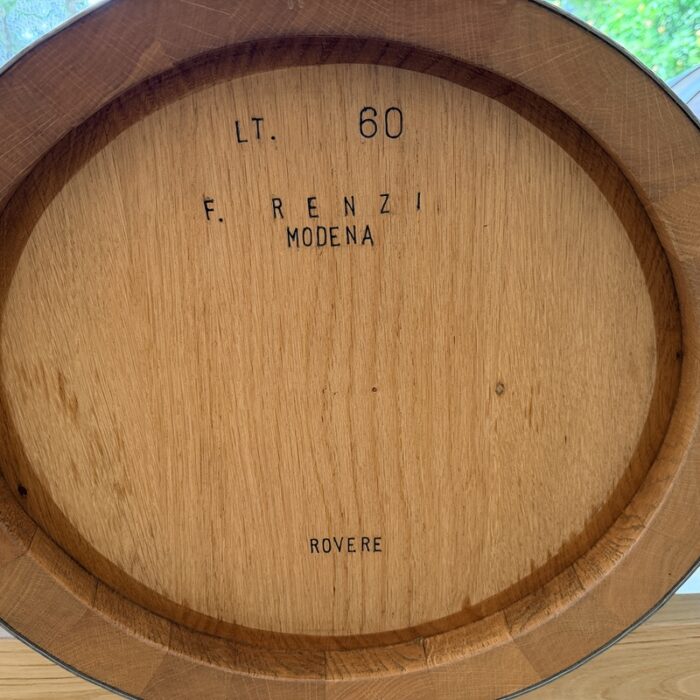
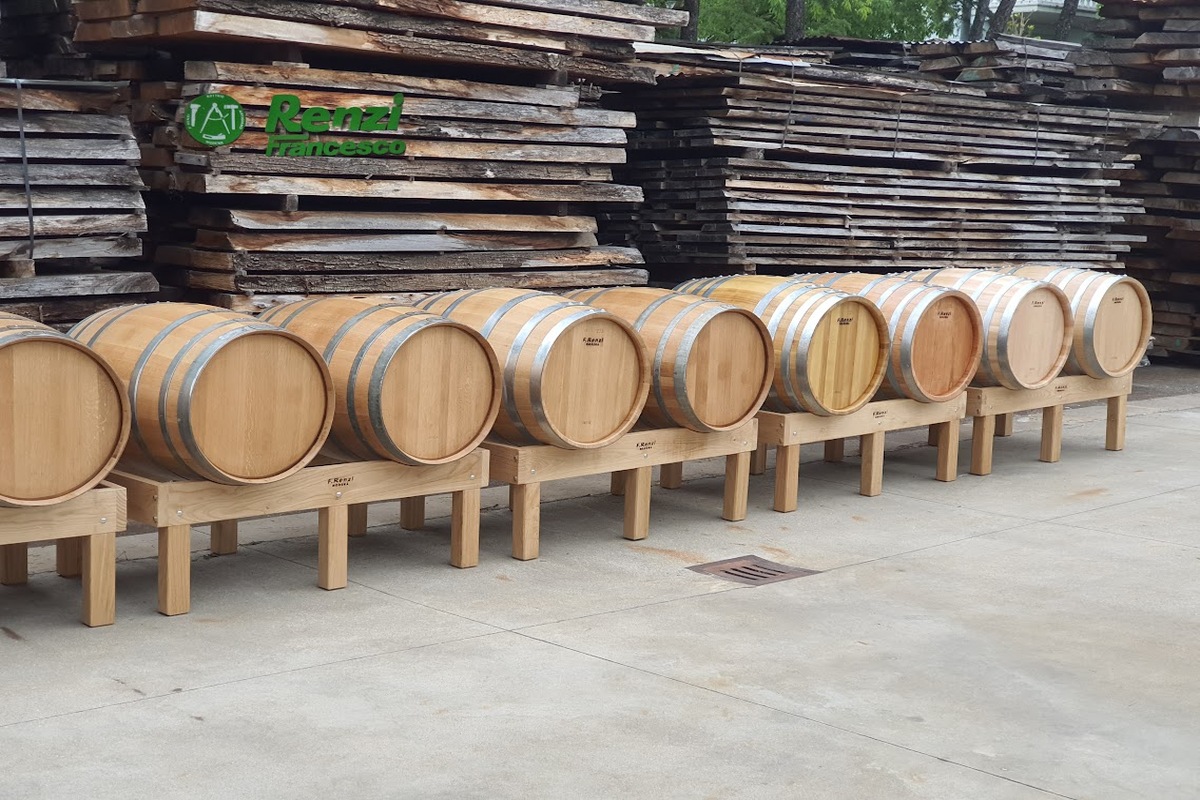
Aging in wood is a crucial step in the winemaking process. Barrel selection directly influences the analytical and organoleptic parameters of the final product. 225-liter French oak barriques represent a benchmark for wineries seeking controlled stabilization and increased structural complexity in their wine.
What is a French oak barrique?
A barrique is a wooden container with a capacity of 225 liters. The oak used comes primarily from the managed forests of Allier, Nevers, Tronçais, and Limousin. This material is distinguished by its structured porosity, which ensures a gradual and balanced release of phenolic compounds.
What are the benefits of French oak in wine?
• Release of aromatic compounds: Controlled release of substances such as vanillin, lactones, and ellagic tannins.
• Balanced tannic profile: Provides noble and progressive tannins, ideal for stabilizing the structure of wines without overpowering the varietal character.
• Constant micro-oxygenation: The density of the structure allows for optimal gas exchange with the outside world, promoting the evolution of the wine’s constituents and color stability.
How to choose the ideal toast?
The toasting process (or bousinage) modifies the chemical structure of the wood’s macromolecules (cellulose, hemicellulose, and lignin).
1. Light Toast: Suitable for maintaining the original fruity profile and acidic freshness.
2. Medium Toast: Offers a standard balance between sweet vanilla notes, roasted notes, and structural support.
3. Strong Toast: Delivers a high concentration of smoky aromas, dark spices, and hydrocarbon notes.
French Oak vs. Slavonian Oak: Technical and Usage Differences
• French oak: Primarily used for small-volume containers (barriques). It has a fine grain, high density, and controlled porosity. It releases aromatic and tannic compounds in a medium to short time, accelerating the evolution and structural complexity of the wine.
• Slavonian oak: Traditionally used for the construction of barrels (from 5, 7, 10 15 hl and over). It has a looser grain and a much slower and more discreet release of tannins and aromas. It is ideal for long-term aging, where the pure expression of the grape variety is desired, limiting the tertiary contribution of the wood.
Customized solutions for wineries
The compatibility between grape variety and wine container varies depending on the terroir. From production in Tuscany and Piedmont to the emerging regions of Sicily and the rest of Italy, choosing the right type of wood allows you to enhance the specific characteristics of native grape varieties while adhering to production specifications and company analytical targets.
Technical Support for Winemaking Supplies
Proper planning of your barrel inventory requires a comprehensive analytical assessment, taking into account the selection of the original forests, split maturation times, and toasting profiles.
Contact F. Renzi for commercial information, quotes, and technical advice on supplying French oak barriques for your winery.