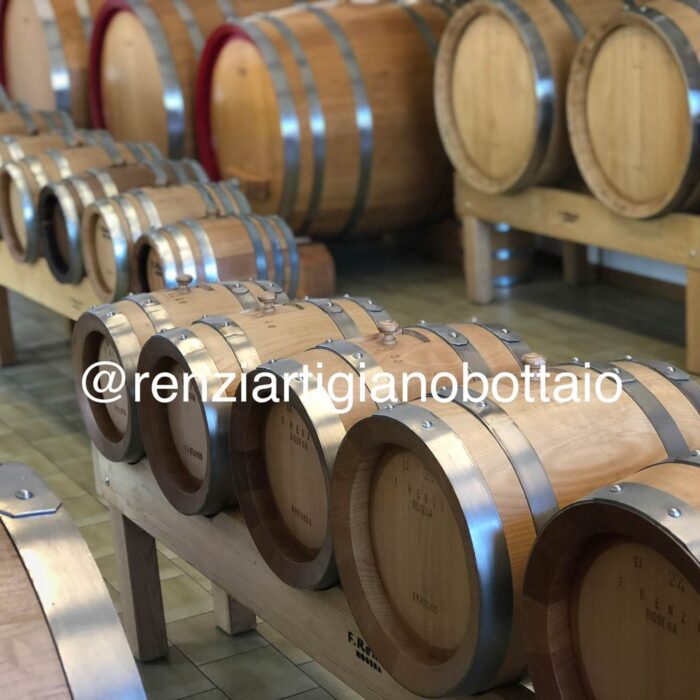
Traditional Infusions
Having the privilege of owning one or more barrels to age and refine an infusion or liqueur is certainly a practice that has never died out. Indeed, perhaps it’s even reviving today, drawing on a bygone tradition that has never been completely lost. The barrel characterizes the individual, while the infusion or liqueur is a kind of personalization. Renzi, the artisan cooper, is keen to remind and emphasize that alcoholic beverages should be consumed, but always in moderation and in the correct manner.
What wood should the infusion barrel be made of?
The answer is easy, but at the same time difficult for the cooper. Renzi, the artisan cooper, listening to the customer’s needs and depending on the infusion or liqueur they wish to refine, will seek to understand and best interpret their request, because the choice of wood will partly determine the aging and refinement of the infusion or liqueur.
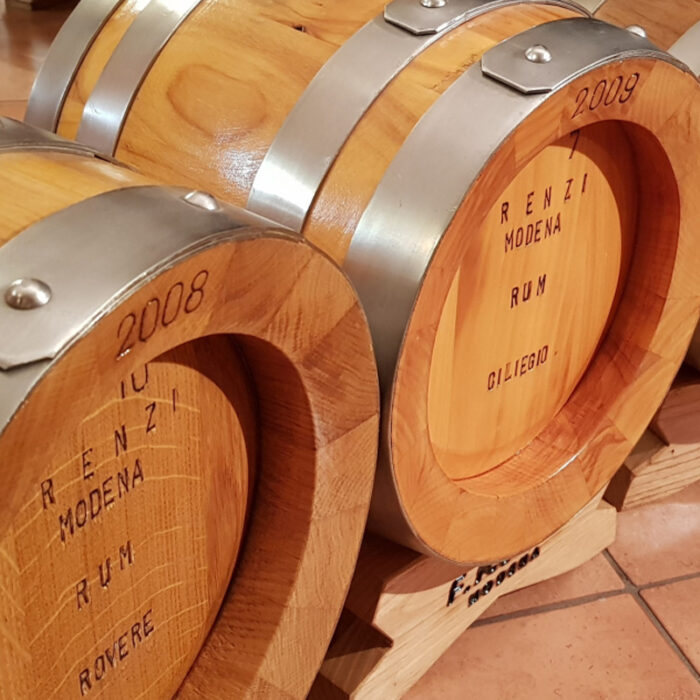
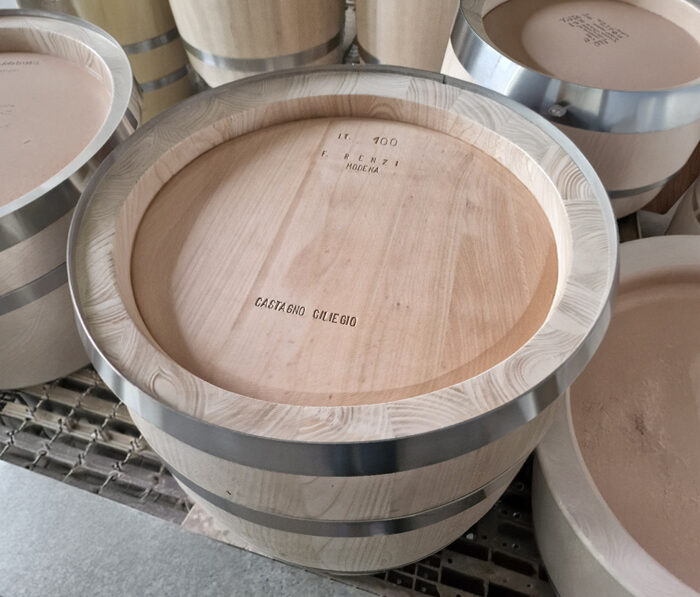
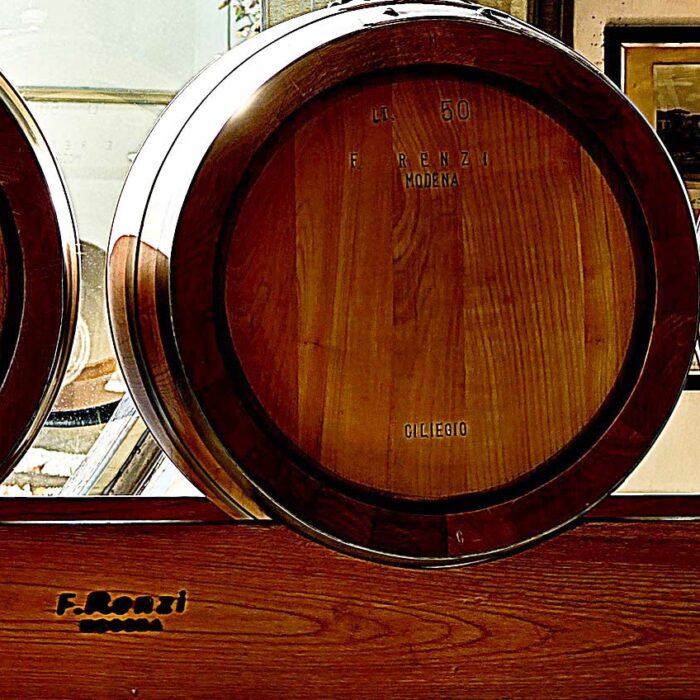
Oak barrels undoubtedly remain the most widely used and sought-after wood type, a classic. Chestnut barrels, on the other hand, are highly tannic and therefore not always suitable because they are more invasive. For example, a chestnut barrel can be a good match for Nocino (a walnut infusion), according to the experience of artisan cooper Renzi. Robinia or Acacia barrels, on the other hand, are very hard-fibered wood types; Cherry barrels lend a rosy color and sweet, fruity sensations; and finally, Ash barrels lend a more delicate aromatic release to infusions and liqueurs.
Barrel Capacity in Liters
Small barrels are typically requested for private use, with capacities ranging from 5 to 20 liters. Obviously, larger capacities are produced and available, making them also suitable for distilleries and liqueur producers. When the customer contacts Renzi, the artisan cooper, he carefully advises them on the liter capacity of the small barrel they are about to purchase. The reasons for this are certainly interesting and, above all, technical, to achieve better benefits and balance during aging.
Barrel with Tap
Installing a tap on the barrel is not always recommended. The reasons may vary; the cooper’s experience will guide the customer in this decision.
In this specific case, Renzi, the artisan cooper, will only suggest a stainless steel tap or spigot; other materials are not suitable.
Top Filling Hole
A top filling and emptying hole called a bunghole is provided with a sealing plug depending on its diameter.
Contact us, we’ll be happy to help you choose your new barrel. Would you like a quote?